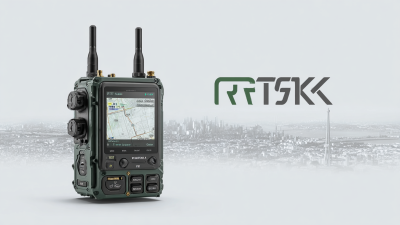
You know, the world of geospatial technology is really changing fast, and with that, the need for accurate positioning services has skyrocketed. That’s why Gnss Base Stations are becoming super important for all sorts of activities like surveying, agriculture, and construction. There’s this report by MarketsandMarketsthat says the Global Gnss market could hit a whopping$128.61 billion by 2025, which means it's growing at a solid pace of 8.8% every year! Now, if you're looking for a reliable name in this field, check out Shanghai Apekstool, or APEKS as we like to call ourselves. We’ve made a name for ourselves by providing cool and innovative geospatial surveying and mapping products. We specialize in GNSS/GPS systems, but we also offer a bunch of surveying tools, like total stations and levels. This unique mix really helps us create GNSS Base Stations that fit perfectly with what different industries need. We’re all about quality and innovation here at APEKS, and we’re really excited to be part of the geospatial tech evolution.

Advantages of Choosing a Leading Chinese Manufacturer for GNSS Base Stations
So, if you’re looking for a top-notch Chinese manufacturer for GNSS base stations, you’re in for a treat! There are so many perks that can really ramp up the quality and efficiency of your operations. Chinese manufacturers have poured a ton of resources into cutting-edge tech and automation, which means they’re churning out some seriously accurate products. Thanks to this commitment to innovation, their GNSS base stations aren’t just reliable; they’re packed with all the latest features to make sure you get the best performance possible in whatever you’re working on.
Plus, when you team up with one of these well-known Chinese factories, you typically score some pretty competitive prices without having to compromise on quality. Because they operate on such a large scale and have a wealth of expertise, these manufacturers can whip up cost-effective solutions that really help keep your project budgets in check while still delivering fantastic products. And let’s not forget about their strong supply chains and well-established logistics networks—they’re all about those quick turnaround times. You’ll get your equipment right when you need it, which is super important in industries where timing is everything.
Innovative Technologies Behind High-Performance GNSS Base Stations
You know, the world of Global Navigation Satellite Systems (GNSS) is really changing fast these days! It's all about the cool new tech that's coming out, making everything more precise and efficient. If you check out the scene right now, you'll see that things like artificial intelligence and drones are totally shaking up what GNSS base stations can do. Looking ahead to 2025, it’s not just about getting better receivers; it’s also about weaving these systems into all sorts of applications—from farming to self-driving cars, which is super exciting!
Just think about the collaboration between roboticsand accurate Gnss Positioning; it’s a perfect example of this trend. Lately, we’ve seen some interesting partnerships digging into how advancedReal-Time Kinematic (RTK) tech can really simplify things on the farm. And thanks to innovations in satellite navigation receivers, we’re talking about accuracy down to the centimeter for both cars and industrial machinery. It’s all part of the ongoing quest for better precision and reliability in GNSS solutions, which are crucial for so many industries that depend on spot-on geographical data. As companies push the limits on what receivers can do, we’re entering this exciting new phase where productivity and performance are the names of the game—definitely key players in the future of GNSS tech!
Quality Assurance Processes in Chinese GNSS Base Station Production
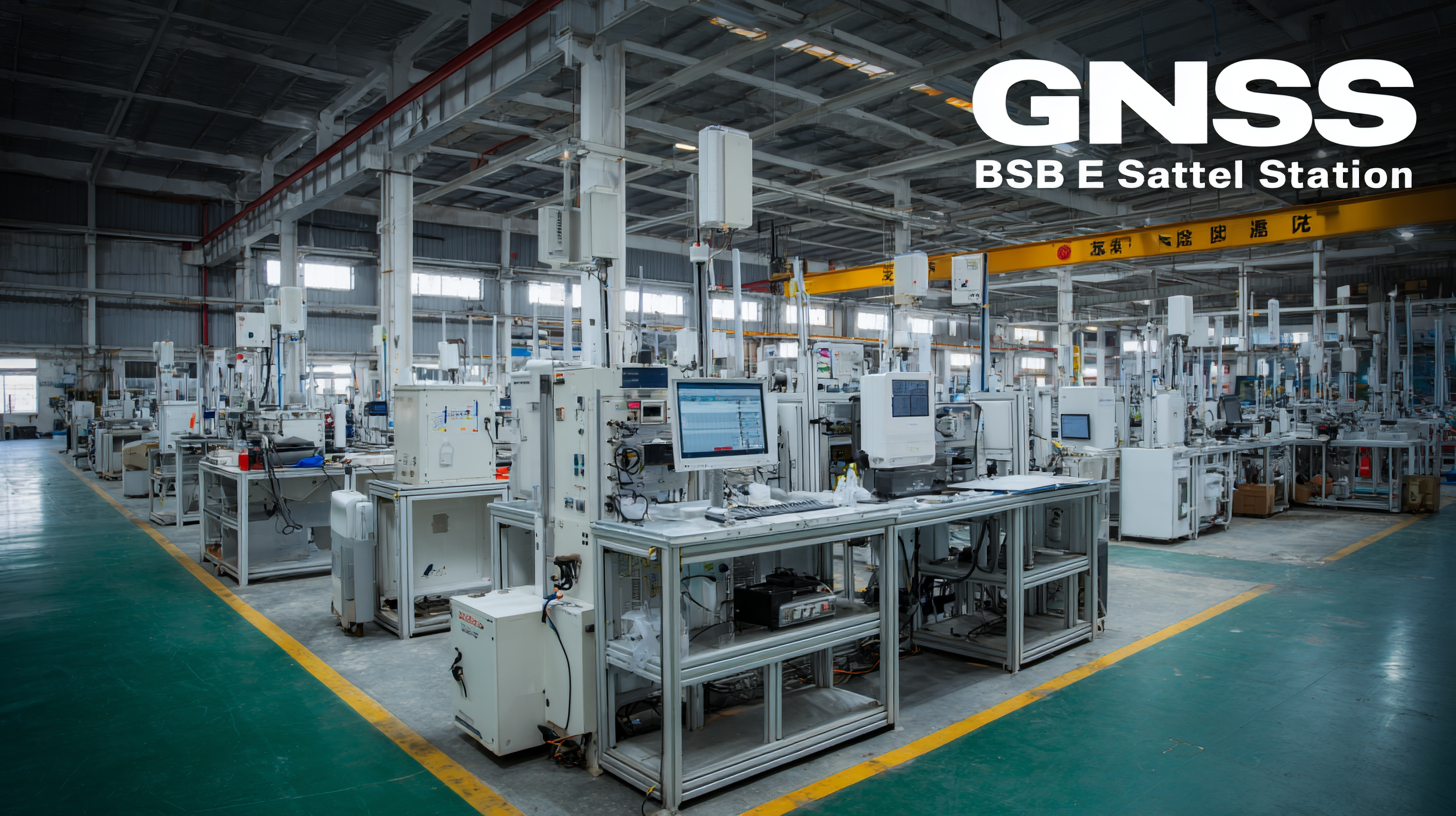
You know, in the world of GNSS, or Global Navigation Satellite Systems, getting quality assurance right during manufacturing is super important for keeping things reliable and accurate. Some of the top factories in China have been making big strides in this area. They're really stepping up their game by following strict quality control measures that align with international standards. There’s this interesting report from MarketsandMarkets that says the global GNSS market is expected to skyrocket from $209.3 billion in 2020 to an amazing $339.4 billion by 2025! That really shows how much people are craving high-quality base stations these days. Honestly, with this kind of growth, ensuring stringent quality assurance is more crucial than ever.
To meet this rising demand, Chinese manufacturers are jumping on board with comprehensive quality assurance frameworks. They’re doing stuff like automated testing, thorough material inspections, and performance validations. A study from the International Telecommunication Union pointed out that more than 60% of GNSS applications depend on precise positioning, which makes having solid quality checks totally non-negotiable. Plus, these factories are using cutting-edge technologies like AI and machine learning on their production lines, making sure each GNSS base station meets those strict specs. In the end, they're delivering products that hit the highest industry standards. Pretty impressive, right?
Customization Options: Tailoring GNSS Solutions to Your Needs
You know, in the fast-changing world of GNSS today, customization really stands out as the key to delivering solutions that fit different customer needs. Top manufacturers are starting to realize just how important it is to offer customizable options for GNSS base stations. This means businesses can tweak their products for specific uses, whether it’s in farming, transportation, or even defense. It’s pretty cool how this level of flexibility lets clients boost their operational efficiency and nail down precision, making sure the solutions they get are spot on for their unique requirements.
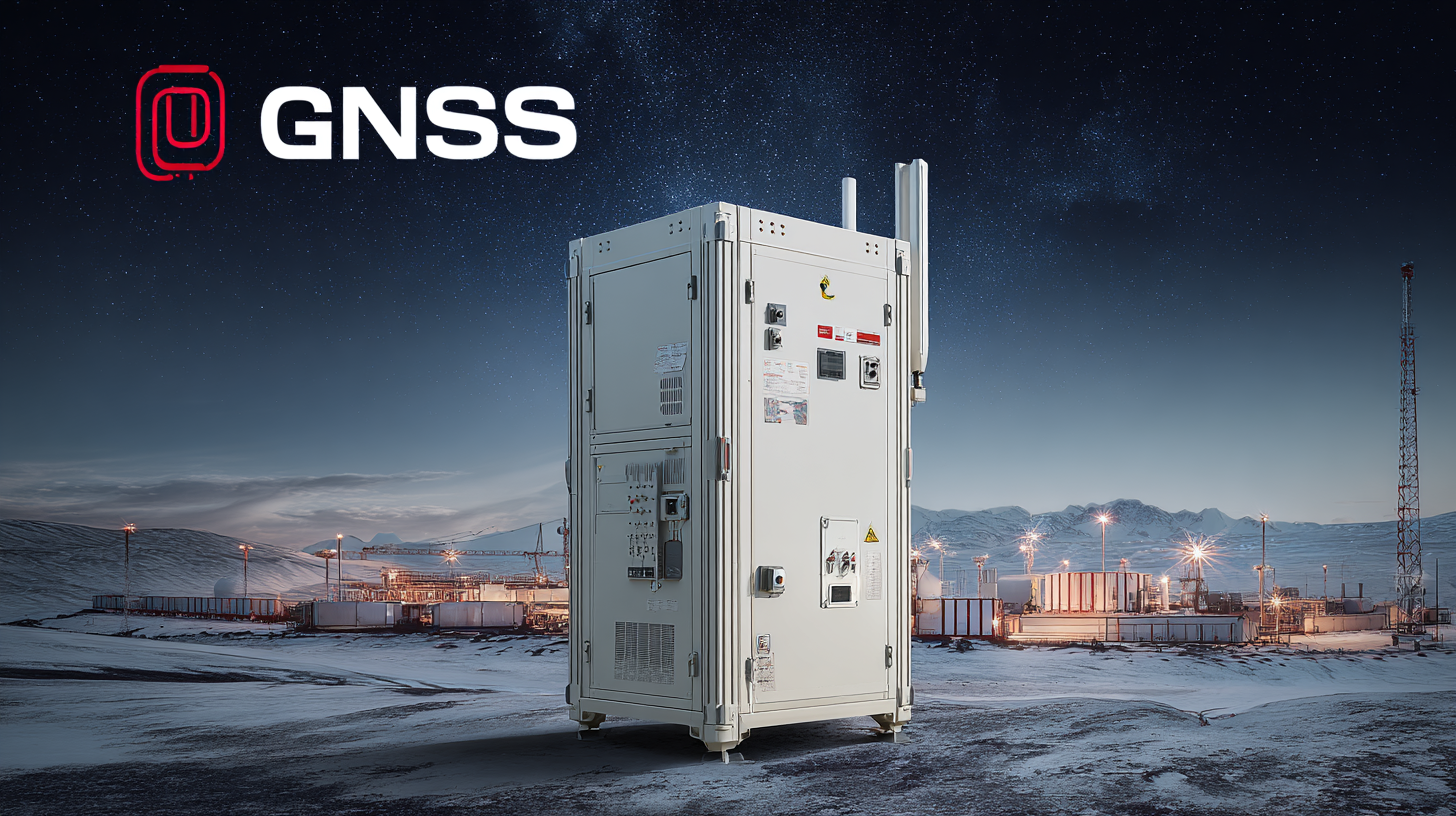
Lately, there have been some exciting advancements in GNSS tech that highlight just how crucial this customization trend has become. With new high-performance GNSS antennas popping up for different applications, organizations are really tapping into better accuracy and performance. Plus, companies are focusing on scalable options for GNSS signal testing — which is super useful for industries looking to refine their strategies. As the market keeps growing, I think incorporating user-friendly designs and features will continue to drive innovation in the GNSS world, setting fresh benchmarks for reliability and performance.
The Impact of GNSS Base Stations on Modern Industries
You know, the influence of GNSS (Global Navigation Satellite System) base stations on today’s industries is really something else. These key players are what make accurate positioning and navigation possible, and let’s face it, that’s super important for fields like agriculture, construction, and even autonomous vehicles! I came across this report from MarketsandMarkets that predicts the GNSS market will hit a whopping $215 billion by 2026. It’s all fueled by the rising need for spot-on location data across a bunch of different applications. This growth really shows how crucial GNSS base stations are for boosting efficiency and productivity everywhere.
As industries get more into tech, GNSS base stations are becoming a must-have for smarter solutions. For example, in agriculture, precision farming is using GNSS to keep an eye on field conditions, and it can seriously boost yields by as much as 30%! Over in construction, having GNSS-enabled machinery helps with real-time tracking and makes sure projects are executed with way better accuracy.
**Quick Tip:** If you're an organization thinking about bringing in GNSS technology, it might be a smart move to team up with a top-notch manufacturer specializing in high-quality base stations. This way, you get access to the latest tech and support, which totally helps with operational efficiency. And don't forget about regular upgrades for your systems! Staying up-to-date with the newest advancements in GNSS tech is key to keeping your edge in a market that’s always changing.
Impact of GNSS Base Stations on Modern Industries
Sustainable Manufacturing Practices in GNSS Base Station Production
You know, when it comes to GNSS (Global Navigation Satellite System) technology, there's been a real push toward sustainable manufacturing practices lately. One standout factory in China, known for its top-notch GNSS base stations, has really taken a step forward by going green. They’re not just looking to boost their efficiency; they also want to cut down on their environmental impact. By bringing in renewable energy and cutting down on waste during production, they’re showing that you can actually produce high-quality goods while still being kind to the planet.
But it doesn’t stop there! This factory is all about that sustainability vibe. They’ve put in some fancy recycling techniques and use materials sourced locally to help shrink their carbon footprint. Plus, they’ve even got closed-loop water systems and eco-friendly packaging going on, which really highlights their comprehensive approach to being eco-conscious. As GNSS technology keeps progressing, the way this factory is weaving in these environmentally friendly practices really makes sure that creating base stations is not just about tech advancement, but also about nurturing a healthier planet. Through these efforts, they are truly setting a great example for a more sustainable future in the GNSS world.
Maximizing Precision: The Essential Guide to GNSS Base Station Receivers for Surveying and Mapping
Maximizing precision in surveying and mapping is crucial for quality results in various applications, ranging from construction to land management. To achieve high accuracy, investing in a reliable GNSS base station receiver is essential. Featuring a robust Qualcomm Cortex-A7 processor paired with a Linux intelligent system platform, these receivers are engineered to provide unparalleled performance and reliability. With 1408 super channels and support for multiple satellite systems—including BDS, GPS, GLONASS, Galileo, QZSS, and SBAS—surveyors can count on superior data accuracy under a range of conditions.
Enhanced multi-mode and multi-frequency RTK technology elevate precision to new heights. This advanced feature not only enables real-time kinematic positioning but also facilitates cloud service functionalities, making data sharing and processing seamless. With 32GB of built-in storage, of which 24GB is readily usable, users can remotely download data and benefit from multi-channel loop storage, ensuring that no vital information is lost during operations. The industrial-grade design, crafted from durable magnesium-aluminum alloy, guarantees that the receiver withstands the rigors of outdoor use while maintaining a lightweight and portable form.
Furthermore, the support for front-end solutions and secondary development opens new avenues for customization and application-specific enhancements. This versatility allows professionals in the field to tailor the receiver's capabilities to their unique surveying and mapping needs. With such comprehensive features, a high-performance GNSS base station receiver is not just an option but a necessity for those aiming to maximize precision in their projects.
FAQS
: Leading Chinese manufacturers offer high-precision production capabilities, competitive pricing, faster turnaround times, and advanced technology, ensuring reliable equipment without sacrificing quality.
Their scale and expertise allow them to streamline project budgets while delivering exceptional products, thanks to substantial investments in technology and automation.
Innovations, particularly in artificial intelligence and drone technology, are enhancing performance and precision, enabling GNSS base stations to meet diverse application needs.
RTK technology provides centimeter-level accuracy for GNSS systems, particularly beneficial in applications like agriculture and autonomous vehicles, improving operational efficiency.
Industries including agriculture, automotive, and robotics benefit significantly from precise GNSS positioning and innovations that enhance productivity.
The focus will be on integrating improved receiver technology with diverse applications and pushing the boundaries of precision and reliability in GNSS solutions.
Fast turnaround times from established logistics networks ensure that equipment is delivered when needed, which is vital for industries where timely data is essential.
There are partnerships aimed at leveraging advanced RTK technology to enhance agricultural practices and improve accuracy in various industrial applications.
Enhanced performance and precision from new technologies are key drivers for increased productivity across numerous sectors that depend on accurate geographical data.
Integration allows GNSS technology to be utilized in a broad range of fields, expanding its capabilities and effectiveness in solving real-world challenges.